


Common Pediatric Vision Problems and How They’re Treated
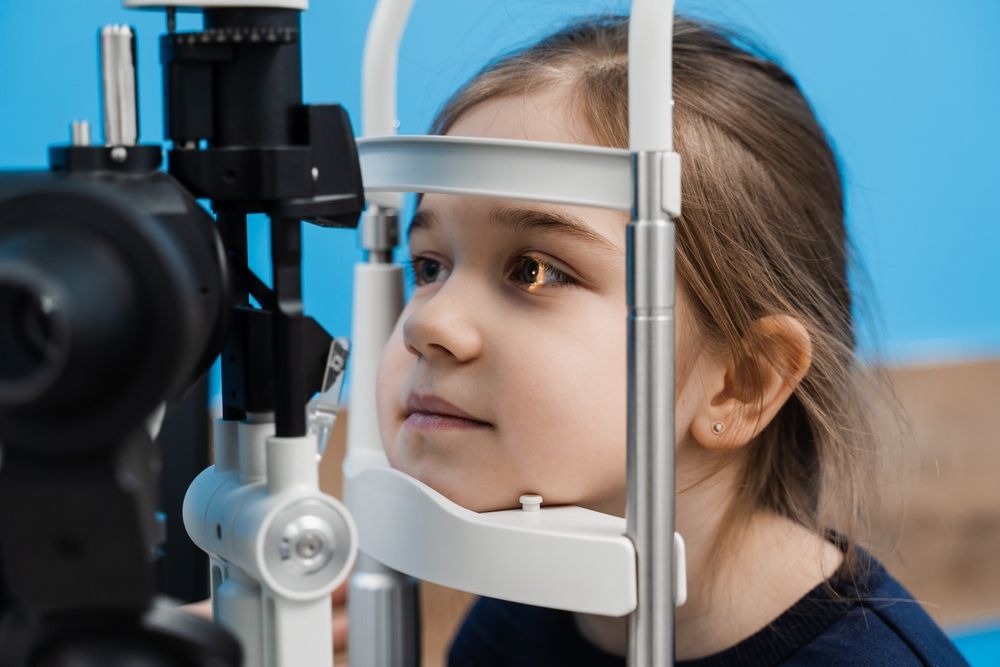
It’s easy to assume your child’s vision is just fine - especially if they’ve never complained. But many children don’t realize their vision isn’t as clear as it should be, because blurry or strained vision may be all they’ve ever known. Understanding common pediatric vision problems and how they’re treated helps parents know what to look for and when it’s time to schedule an eye exam.
Eye Conditions That Affect Children’s Vision
Children can experience a wide range of eye conditions, many of which develop during their early school years. Some affect how clearly they see, while others impact how their eyes work together or how comfortable their vision feels throughout the day. Common pediatric eye conditions include refractive errors such as myopia, hyperopia, and astigmatism, as well as digital eye strain.
Myopia (Nearsightedness)
Myopia is the most common refractive error in children today and continues to increase worldwide. Children with myopia can see objects up close clearly, but distant objects appear blurry. Myopia often begins in early school years and can worsen as a child grows. Beyond blurry distance vision, progressive myopia increases the risk of future eye health complications later in life, making early management especially important.
Hyperopia (Farsightedness)
Children with hyperopia may struggle with near tasks such as reading or writing. While mild farsightedness can be normal in young children, higher levels can cause eye strain, headaches, or difficulty concentrating in school.
Astigmatism
Astigmatism occurs when the cornea or lens has an irregular shape, causing distorted or blurred vision at all distances. It can occur alongside myopia or hyperopia and may impact reading, coordination, and visual comfort.
Myopia Management: Slowing Myopia Progression
Because myopia tends to worsen over time, myopia management has become a critical part of pediatric eye care. These evidence-based treatments are designed to slow the progression of nearsightedness rather than simply correcting vision.
MiSight® 1 Day Contact Lenses
MiSight 1 day contact lenses are FDA-approved daily disposable lenses specifically designed for myopia control in children. They correct vision while simultaneously slowing myopia progression - without requiring overnight wear.
Orthokeratology (Ortho-K)
Ortho-K uses custom-designed rigid contact lenses worn overnight to gently reshape the cornea. Children remove the lenses in the morning and enjoy clear vision throughout the day without glasses or contacts. Ortho-K has also been shown to slow myopia progression.
Atropine Eye Drops
Low-dose atropine eye drops are another effective myopia management option. Used nightly, these drops can significantly reduce the rate of myopia progression with minimal side effects when properly monitored.
The Importance of Regular Pediatric Eye Exams
Children may not realize or be able to communicate that they’re having vision problems. Regular pediatric eye exams allow eye doctors to detect issues early, monitor vision changes, and recommend timely treatment. Early intervention can improve academic performance, confidence, and long-term eye health. Annual eye exams are especially important for children with myopia or a family history of vision problems.
Schedule Your Child’s Eye Exam Today
Pediatric vision problems are common, but with early detection and modern treatment options, they can be effectively managed. From refractive errors like myopia to advanced myopia management solutions such as MiSight lenses, Ortho-K, and atropine eye drops, today’s pediatric eye care offers more than just clear vision - it protects your child’s future eye health.
Contact Chelsea Vision Associates to schedule a pediatric eye exam and learn more about personalized treatment options designed to support your child’s visual development. Visit our office in New York, NY, or call (212) 243-5898 to book an appointment today.


MAP
© 2026 Chelsea Vision Associates & Dry Eye Treatment Center. All Rights Reserved. Accessibility Statement - Privacy Policy - Sitemap
Powered by: 