


Diabetic Retinopathy: What Every Patient Needs to Know
Understanding Diabetic Retinopathy
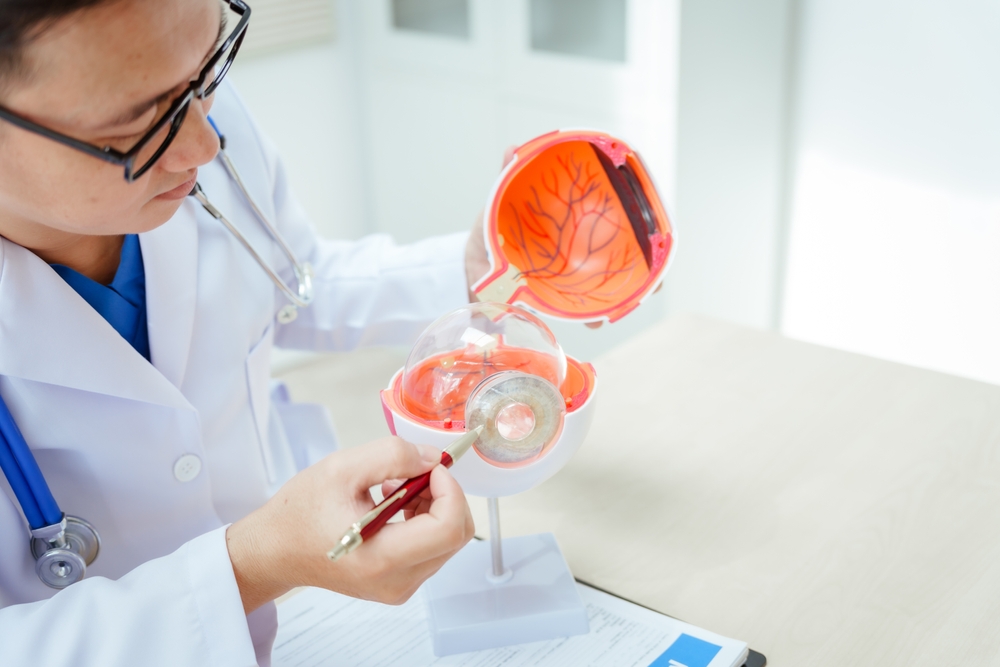
Diabetic retinopathy is an eye disease that can develop when diabetes affects the small blood vessels in the retina. The retina is the light-sensitive tissue at the back of the eye, and it plays a major role in clear vision. When blood sugar levels stay high over time, these delicate blood vessels can weaken, leak, or become blocked.
At Chelsea Vision Associates & Dry Eye Treatment Center, we want patients to understand that diabetic retinopathy often develops quietly. You may not notice symptoms in the early stages, which is why routine diabetic eye exams are so important for protecting long-term vision.
Why Diabetes Affects Eye Health
Diabetes can impact circulation throughout the body, including the eyes. When the retinal blood vessels are damaged, the eye may not receive the oxygen and nutrients it needs to stay healthy. Over time, this can lead to swelling, bleeding, scar tissue, or abnormal blood vessel growth.
Patients with Type 1 diabetes, Type 2 diabetes, or gestational diabetes may all be at risk. The longer you have diabetes, the more important it becomes to monitor your eyes regularly.
Common Signs And Symptoms
Diabetic retinopathy does not always cause noticeable symptoms right away. When symptoms do appear, they may include:
- Blurry or fluctuating vision
- Dark spots, floaters, or shadows in your vision
- Trouble seeing at night
- Faded or washed-out colors
- Sudden changes in vision
- Vision loss in more advanced cases
If you notice new or sudden changes in your vision, it is important to schedule an eye exam as soon as possible.
The Importance Of Diabetic Eye Exams
A diabetic eye exam allows us to look closely at the retina and check for early signs of diabetic eye disease. Even if your vision seems normal, changes may be developing in the back of the eye before symptoms begin.
During your visit, we may use advanced diagnostic testing and retinal imaging to evaluate your eye health in detail. These tools help us detect subtle changes, monitor progression, and recommend the right next steps based on your needs.
How Early Detection Helps Protect Vision
When diabetic retinopathy is found early, patients often have more options for monitoring and managing the condition. Early detection can help reduce the risk of more serious complications, especially when combined with proper diabetes management.
Keeping blood sugar, blood pressure, and cholesterol under control can also support healthier eyes. We work with patients to help them understand what we see during the exam and how those findings may relate to their overall health.
Who Should Be Checked
Anyone with diabetes should have routine comprehensive eye exams, even if they do not currently wear glasses or contacts. Your primary care doctor or endocrinologist may also recommend regular eye care as part of your diabetes management plan.
If you are pregnant and have diabetes, have had diabetes for many years, or have noticed changes in your vision, it may be especially important to stay consistent with eye exams.
Personalized Eye Care For Diabetic Patients
At Chelsea Vision Associates & Dry Eye Treatment Center, we take diabetic eye care seriously. Our goal is to help patients feel informed, supported, and proactive about their vision health. We use careful testing and patient education to help you understand your eyes and make confident decisions about your care.
To schedule a diabetic eye exam, contact Chelsea Vision Associates & Dry Eye Treatment Center in New York, NY by calling (212) 243-5898.


MAP
© 2026 Chelsea Vision Associates & Dry Eye Treatment Center. All Rights Reserved. Accessibility Statement - Privacy Policy - Sitemap
Powered by: 